
by Haoxin Safety
Share
by Haoxin Safety
Share
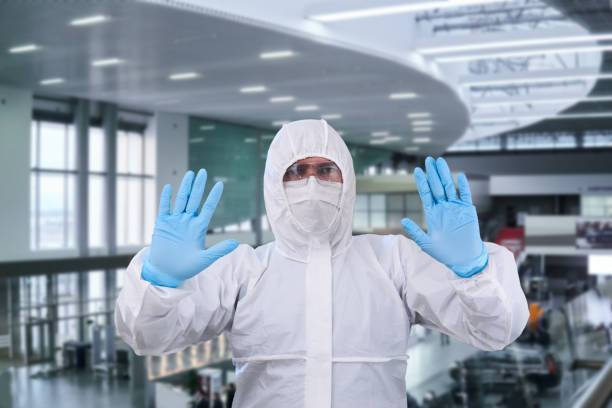
In the realm of Personal Protective Equipment (PPE), few items are as versatile and universally recognized as the disposable coverall protective suit. Often visualized as the white “bunny suits” worn by forensic teams or the heavy-duty gear in chemical plants, these garments play a critical role in safeguarding human health against a myriad of environmental hazards.
This article explores the definition, construction, classification, and vital applications of disposable coverall protective suits.
What is a Disposable Coverall Protective Suit?
A disposable coverall protective suit is a one-piece loose-fitting garment designed to cover the entire body, typically excluding the head, hands, and feet (though many include hoods and attached booties). Unlike traditional workwear, these suits are designed for single-use or limited-use applications.
They serve a dual purpose:
- Protecting the Wearer: They act as a physical barrier against hazardous substances, including liquid chemicals, biological agents, fibers, dust, and radioactive particles.
- Protecting the Process: In cleanroom environments (like pharmaceutical manufacturing or microchip production), they prevent the wearer’s skin flakes, hair, and clothing fibers from contaminating sensitive products.
Key Materials and Construction
Disposable coveralls are rarely made from standard woven fabrics like cotton. Instead, they utilize non-woven technologies to create barriers that are breathable yet impenetrable to specific hazards.
Common Materials
- Polypropylene (PP): A basic, breathable fabric used for protection against dirt, grime, and non-hazardous dust. It offers low protection against fluids.
- SMS (Spunbond-Meltblown-Spunbond): A tri-laminate fabric. The outer layers provide strength, while the middle “meltblown” layer acts as a filter for particles and fluids. It is breathable and widely used in medical and industrial settings.
- Microporous Film Laminate (MPFL): A layer of microporous film bonded to a polypropylene base. This offers excellent protection against liquid spray and biological hazards while allowing some moisture vapor to escape (breathability).
- Tyvek® (Flash Spun Polyethylene): A proprietary material by DuPont that is extremely durable, resistant to tears, and offers a high barrier against fine particles and light liquid splashes.
Construction Features
- Seams: The way a suit is stitched determines its safety level.
- Serged Seams: Basic stitching for dry particulates.
- Bound Seams: Reinforced with binding for better liquid resistance.
- Taped/Heat Sealed Seams: The highest level of protection; seams are covered with heat-sealed tape to make them completely liquid and gas-tight.
- Closures: High-quality suits feature storm flaps over zippers to prevent contaminants from entering through the teeth of the zipper.
Classification of Protection (The “Type” System)
In Europe and many international contexts, chemical protective clothing is categorized by “Types” to help users select the right gear.
- Type 1 (Gas-Tight): Protects against liquid and gaseous chemicals. (Usually reusable, heavy-duty gear, but some high-end disposables exist).
- Type 2 (Non-Gas-Tight): Retains positive pressure to prevent dust/liquids from entering but is not gas-tight.
- Type 3 (Liquid Jet Tight): Protects against strong, pressurized jets of liquid chemicals.
- Type 4 (Liquid Spray Tight): Protects against saturation of liquid chemicals (sprays).
- Type 5 (Particulate Protection): Protects against hazardous airborne dry particulates (dust).
- Type 6 (Limited Splash): Protects against light mist or accidental splashes of liquids.
Vital Applications
The utility of disposable coveralls spans across dozens of industries:
1. Medical and Biological Response
During pandemics (such as COVID-19 or Ebola outbreaks), disposable coveralls are the first line of defense for healthcare workers. They prevent contact with infectious bodily fluids and airborne pathogens.
2. Industrial Manufacturing and Maintenance
Workers handling fiberglass insulation, removing asbestos, or performing lead abatement rely on Type 5 suits to prevent the inhalation and skin absorption of carcinogenic fibers and dust.
3. Chemical Handling
In petrochemical plants and laboratories, Type 3 and 4 suits protect workers from acid burns, solvent absorption, and chemical spills.
4. Forensic Science
Crime scene investigators wear these suits primarily to prevent contaminating the evidence with their own DNA, hair, or clothing fibers.
5. Agriculture
Farmers use coveralls when spraying pesticides and insecticides to prevent dermal absorption of toxic agrochemicals.
Donning and Doffing: The Critical Protocol
The effectiveness of a disposable suit relies heavily on proper usage. The process of putting on (donning) and taking off (doffing) the gear is critical.
- Donning: Must be done in a clean area. The suit should be inspected for tears before wearing. Zippers must be fully closed, and if a hood is used, it should fit snugly around the respirator or face mask.
- Doffing: This is the most dangerous phase. If the outside of the suit is contaminated, touching it improperly can transfer the hazard to the skin. The suit should be unzipped and peeled off “inside out,” rolling the contamination inward so the wearer never touches the exterior.
Conclusion
A disposable coverall protective suit is far more than a simple piece of plastic clothing; it is a sophisticated piece of engineering designed to save lives. Whether shielding a doctor from a virus, a worker from asbestos, or a microchip from dust, these suits are essential components of modern safety infrastructure. Understanding the specific materials and ratings ensures that the right suit is chosen for the right hazard, turning a dangerous environment into a manageable one.